
Side by Side, a groundbreaking oral history project, illuminates the deeply personal and often untold stories of Korean adoptees—individuals who were separated from their birth families and sent to new homes across the globe.
How did we create these interviews and films, and how did our methods reveal the true minds and hearts of our interview subjects? These are questions we get asked frequently—and the answers are especially important for students, professors, and adoption professionals who want to use Side by Side in their classrooms and research.
Watch the video to hear filmmaker commentary on this process, and read more about it below. And watch our short documentary to get an introduction to the Side by Side project.
How We Chose Interview Subjects
We put out the word that we were making this project, and adopted Koreans all over the world got in touch with us. We talked to everyone who contacted us.
We narrowed our filming down to 16 cities in seven countries, and then we filmed everyone who wanted to be filmed in those cities.
The Interview Filming Process
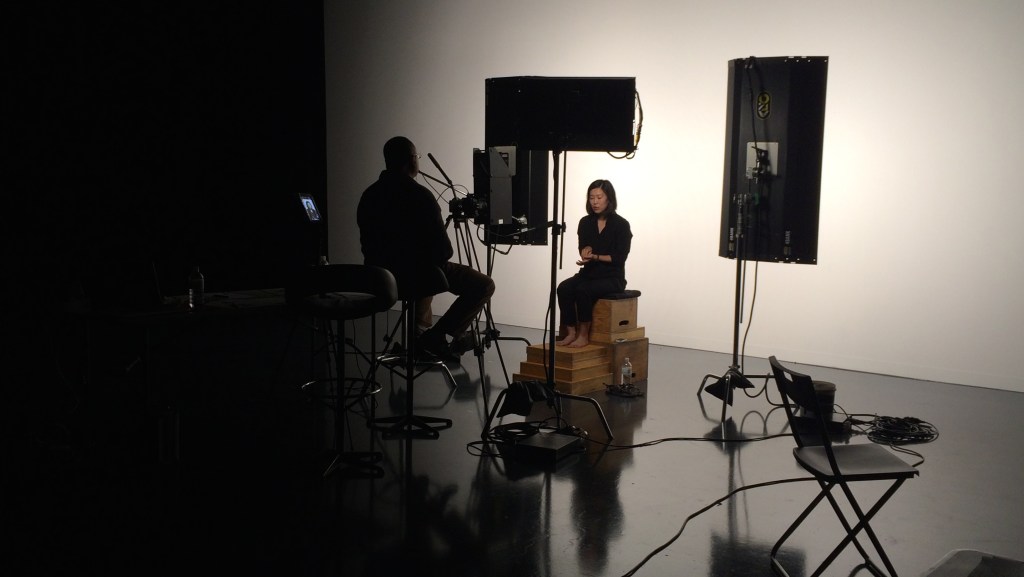
The interview process itself was intentionally designed to prioritize the adoptees’ voices over the filmmakers’. Rather than ask a series of questions that might influence how people told their stories, we asked participants to be ready to talk about three things:
- What they remembered—or had been told—about their time in Korea, from birth to adoption
- What it was like growing up as an adoptee
- Their life and experiences as an adult adoptee
With very few exceptions, no additional direction or questions were put to the participants. This approach ensured that each story was shaped only by the storyteller’s own priorities and emotions.
The Editing Process
This neutrality extends to the final editing and presentation of Side by Side’s interviews and short films. Each story is shown almost in its entirety, with minimal cuts for clarity or redundancy. And we filmed every participant against the same neutral background, so that no story is visually prioritized over another.
Our highest editing priority was to preserve the integrity of each story, as each teller intended it.
Why We Chose These Methods
There is no single human story that allows us to understand what happened to the millions of infants and children separated from their South Korean families of origin, over the last 60-plus years. It does, in fact, require many stories.
As filmmakers, we did not seek to insert ourselves into the stories of our participants. Instead, we present these stories in the hope that inter-country and transracial adoption will become more fully understood—in policies and practices, in education and research, and most of all, in families formed by adoption.
 Side By Side Project