
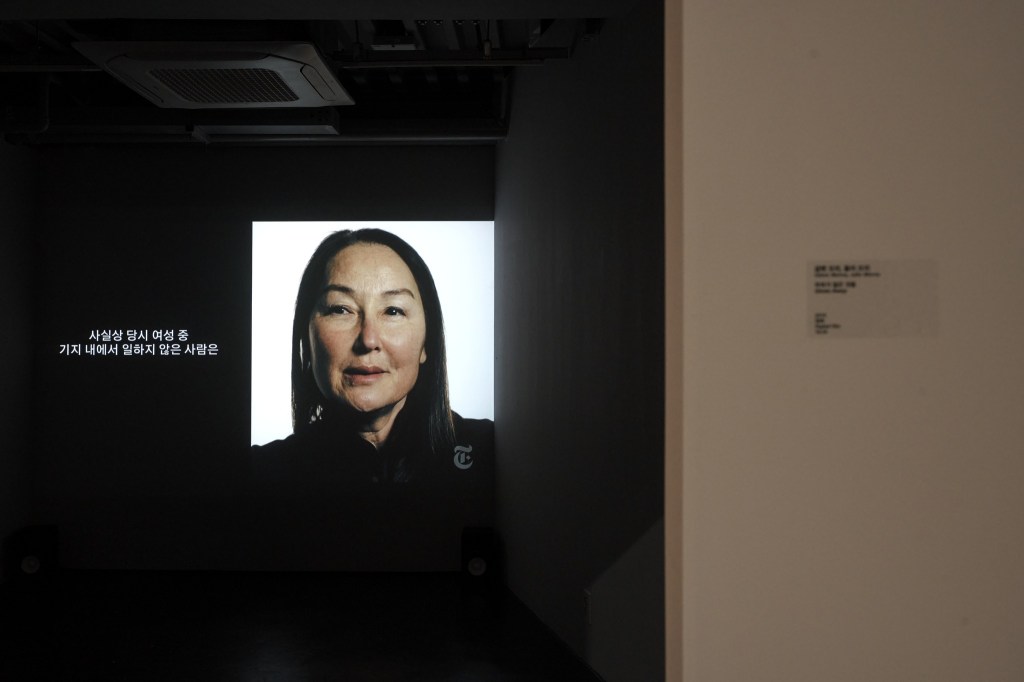
Two years ago, a major art exhibition called “Korean Diaspora: Ricepaper Airplane” was held in Incheon, South Korea to commemorate 120 years of the Korean migration. The name of the exhibition was inspired by a 1998 novel by Gary Pak called A Ricepaper Airplane. In this book, Pak writes about “Koreans abroad, whether by self will or the will of others.”
The exhibition included 17 visual art projects by artists of Korean descent now living around the world—including the short film, “Side by Side: Out of a South Korean Orphanage and Into the World.”
Why is this significant? This exhibition was one of the first explorations of the Korean diaspora that included adoptee voices.
Korean adoptees are a significant and unique part of the Korean diaspora yet underrepresented in scholarly writing. Starting in the 1950s, orphaned and displaced children were left at churches, police stations, doorways, and government buildings. They were sent to orphanages, then adopted out to wealthier Western countries.
What began in Korea in the 1950s set the precedent for inter-country adoption to become a widely embraced practice around the world. Read more about this history here.
While this history is well-documented, this “quiet migration” of adopted children (explored here by Peter Selman)—nearly a million inter-country adoptions by some estimates—is rarely considered or researched in social sciences.
The Side by Side project’s short documentary film is an introduction to this unique migration and to an oral history archive of 100 interviews with Koreans adoptees. These stories offer a human perspectives on inter-country and transracial adoption.
We present these stories in the hope that inter-country and transracial adoption will become more fully understood—in policies and practices, in education and research, and most of all, in families formed by adoption.
 Side By Side Project